The Hosts of Hollow Creek Inn: Indie Drama Unease
When Silence Becomes Its Own Kind of Noise
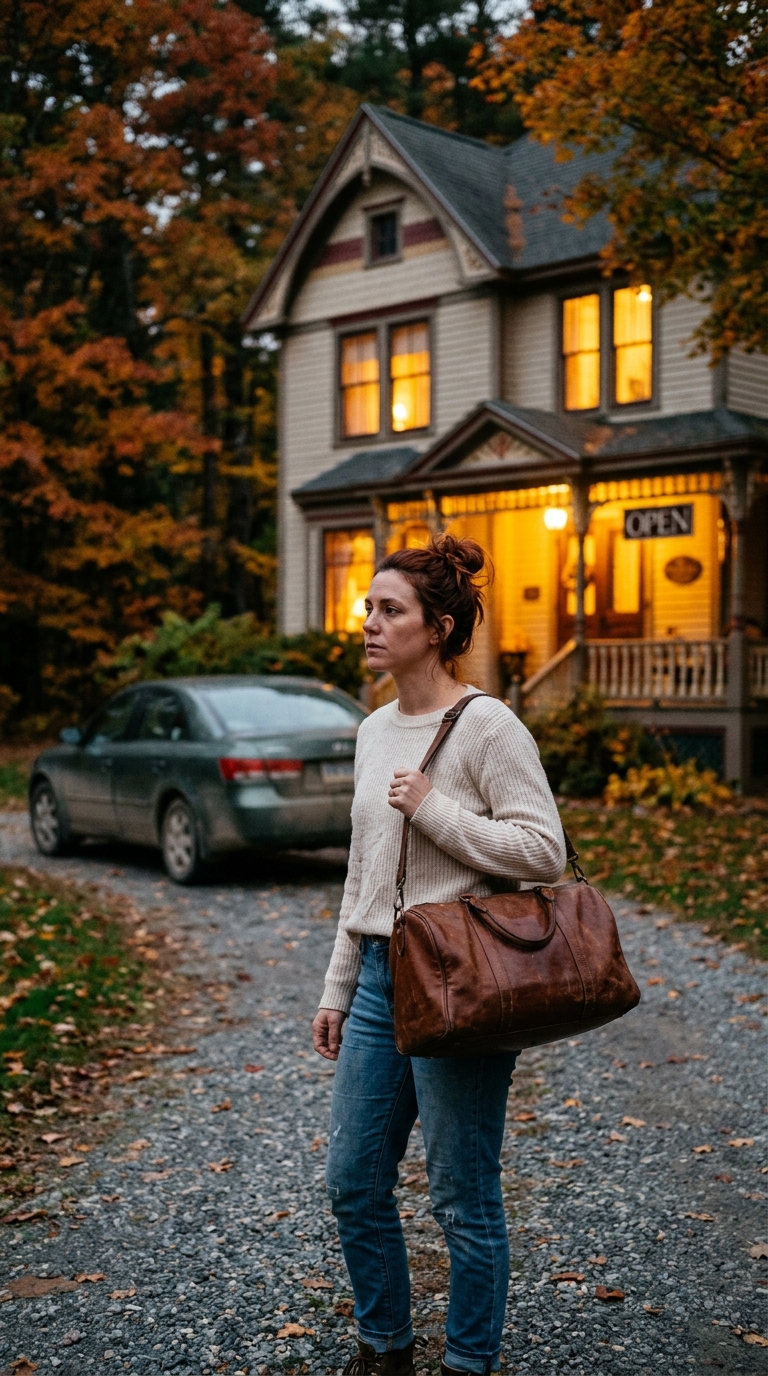
She arrived at Hollow Creek Inn as the sun dipped below the tree line, desperate for silence after months of sirens and crowds. That opening image from The Hosts of Hollow Creek Inn sets the stage for what becomes one of the most unsettling indie drama experiences in recent memory. The hosts greeted her at the door with unnaturally wide smiles, their handshakes lingering just a moment too long—and if you've ever felt the creeping wrongness of forced hospitality, you'll recognize that feeling immediately.
The Hosts of Hollow Creek Inn doesn't announce itself with jump scares or melodrama. Instead, this short film collection operates in the liminal space between drama and psychological thriller, where every pleasant gesture feels like it's hiding teeth. It's the kind of indie work that reminds you why we need filmmakers willing to explore the darkness lurking in ordinary human interaction.
The Architecture of Creeping Dread
What makes The Hosts of Hollow Creek Inn so effective is its commitment to restraint. The film understands that true unease doesn't come from what you see—it comes from what you sense just beyond the frame. Each short in this collection builds its tension through deliberate pacing, tight framing, and performances that live in the uncomfortable middle ground between welcoming and threatening.
The protagonist's journey from exhausted city-dweller to increasingly paranoid guest mirrors our own relationship with rural escape fantasies. We've all romanticized the idea of fleeing to some remote bed-and-breakfast, away from urban chaos. The Hosts of Hollow Creek Inn asks: what if that escape becomes another kind of trap?
The visual language here borrows from slow-burn European cinema—think Yorgos Lanthimos's early work or the domestic horror of Michael Haneke's Funny Games. But there's something distinctly American about the setting, that peculiar blend of folksy charm and isolation that defines so many forgotten corners of this country.
Performances That Live in the Margins
Without specific cast credits available, what's remarkable about The Hosts of Hollow Creek Inn is how the ensemble work creates a collective sense of wrongness. The hosts themselves are masterclasses in calibrated performance—every smile held a beat too long, every offer of tea delivered with just slightly too much enthusiasm.
The protagonist (our exhausted everywoman seeking refuge) grounds the film's escalating paranoia. Watch how her body language shifts across the shorts: initially relieved and grateful, then cautious, then actively planning escape routes with her eyes. It's physical storytelling at its finest, the kind of performance work that doesn't need exposition dumps to communicate internal states.
The supporting players—other guests, locals, shadowy figures glimpsed in hallways—function almost like a Greek chorus of unease. They appear, deliver their unsettling moments, and vanish, leaving both protagonist and viewer to question what's real and what's projection born from exhaustion and isolation.
What The Hosts of Hollow Creek Inn Understands About Modern Anxiety
This isn't just another "creepy rural folk" story. The Hosts of Hollow Creek Inn taps into something specific to our current moment: the exhaustion that drives people to make desperate choices. Our protagonist isn't fleeing for adventure—she's fleeing because the noise of contemporary life has become unbearable.
The film's genius lies in refusing to judge her for this impulse while simultaneously showing its dangers. The hosts at Hollow Creek Inn represent the dark mirror of our wellness-industrial-complex fantasies. They promise rest, silence, care—but at what cost? What do we surrender when we let strangers take care of us?
Themes explored across the shorts include:
- The price of escape: Every retreat from one problem creates new vulnerabilities
- Performative hospitality: When service becomes performance becomes trap
- Isolation as punishment: Being alone versus being lonely in the presence of others
- The unreliable self: How exhaustion makes us doubt our own perceptions
The Visual Grammar of Entrapment
Though we don't have director credits, the visual consistency across The Hosts of Hollow Creek Inn suggests a singular vision at work. The cinematography favors long takes that let unease build naturally, rather than using editing to manufacture tension. Rooms feel simultaneously spacious and suffocating—high ceilings that should provide breathing room but instead emphasize how small and vulnerable our protagonist appears.
Lighting does remarkable narrative work here. Early scenes bathe the inn in golden-hour warmth, the kind of lighting that promises safety and nostalgia. As the shorts progress, that same light source begins to feel theatrical, artificial, like stage lighting designed to keep the audience from seeing the machinery behind the performance.
The sound design deserves special mention. The Hosts of Hollow Creek Inn understands that true silence is terrifying. The protagonist sought quiet, but what she finds is the oppressive absence of city noise—replaced by creaking floorboards, distant voices, and the kinds of sounds that make you question whether you're alone.
Why This Matters for Indie Film Right Now
In an era where even indie films often feel focus-grouped and algorithm-optimized, The Hosts of Hollow Creek Inn feels genuinely daring. It trusts its audience to sit with discomfort, to read subtext, to bring their own anxieties to the viewing experience. This is drama that refuses easy categorization—not quite horror, not quite thriller, but something that occupies the shadows between genres.
The short film format works beautifully here. Rather than stretching a single concept to feature length, the collection approach allows for variations on the central theme. Each short can explore a different facet of the host-guest power dynamic, building a cumulative sense of dread that a single narrative might not achieve.
For viewers exhausted by exposition-heavy storytelling, The Hosts of Hollow Creek Inn offers a masterclass in showing rather than telling. The film believes in your ability to read faces, interpret spaces, and feel the weight of silence. That respect for audience intelligence is increasingly rare and should be celebrated.
Where Atmosphere Becomes Character
Hollow Creek Inn itself functions as the film's central character. The building seems to shift and breathe, its layout somehow both logical and maze-like. Hallways stretch longer than they should. Doors that were locked yesterday stand open today. The inn becomes a physical manifestation of the protagonist's deteriorating sense of reality.
This is environmental storytelling at its finest—production design that communicates narrative without a single line of dialogue. Notice the outdated technology (landline phones, no cell service), the guest book filled with names but no dates, the photographs of previous guests whose smiles echo the hosts' unsettling expressions.
The Review: When Drama Becomes Nightmare
The Hosts of Hollow Creek Inn deserves attention from anyone who believes indie film should challenge rather than comfort. It's not an easy watch—the pacing demands patience, and the refusal to provide clear answers will frustrate viewers who prefer their narratives tied with neat bows.
But for those willing to meet the film on its own terms, it offers a genuinely unsettling exploration of vulnerability, hospitality, and the violence lurking beneath polite society. The performances are committed, the visual storytelling is confident, and the cumulative effect lingers long after the credits roll.
This is drama that understands genre conventions well enough to subvert them, creating something that feels both familiar and freshly disturbing. The Hosts of Hollow Creek Inn proves you don't need a massive budget to create genuine psychological horror—you just need a clear vision, committed performers, and the courage to let silence do the heavy lifting.
Stream The Hosts of Hollow Creek Inn Now
You can watch The Hosts of Hollow Creek Inn streaming now, and honestly, you should—preferably late at night, preferably alone, preferably when you're questioning your own plans to escape to some quiet rural retreat. This is indie filmmaking that trusts you to bring your intelligence and anxieties to the experience, rewarding that trust with images and performances that will haunt you long after the screen goes dark. For film fans hungry for work that challenges rather than comforts, The Hosts of Hollow Creek Inn delivers exactly the kind of unsettling experience we need more of in contemporary cinema.