Anup Raval's Forsaken: Indie Sci-Fi Horror Breakdown
When a Getaway Becomes a Trap: Inside the Premise of Forsaken
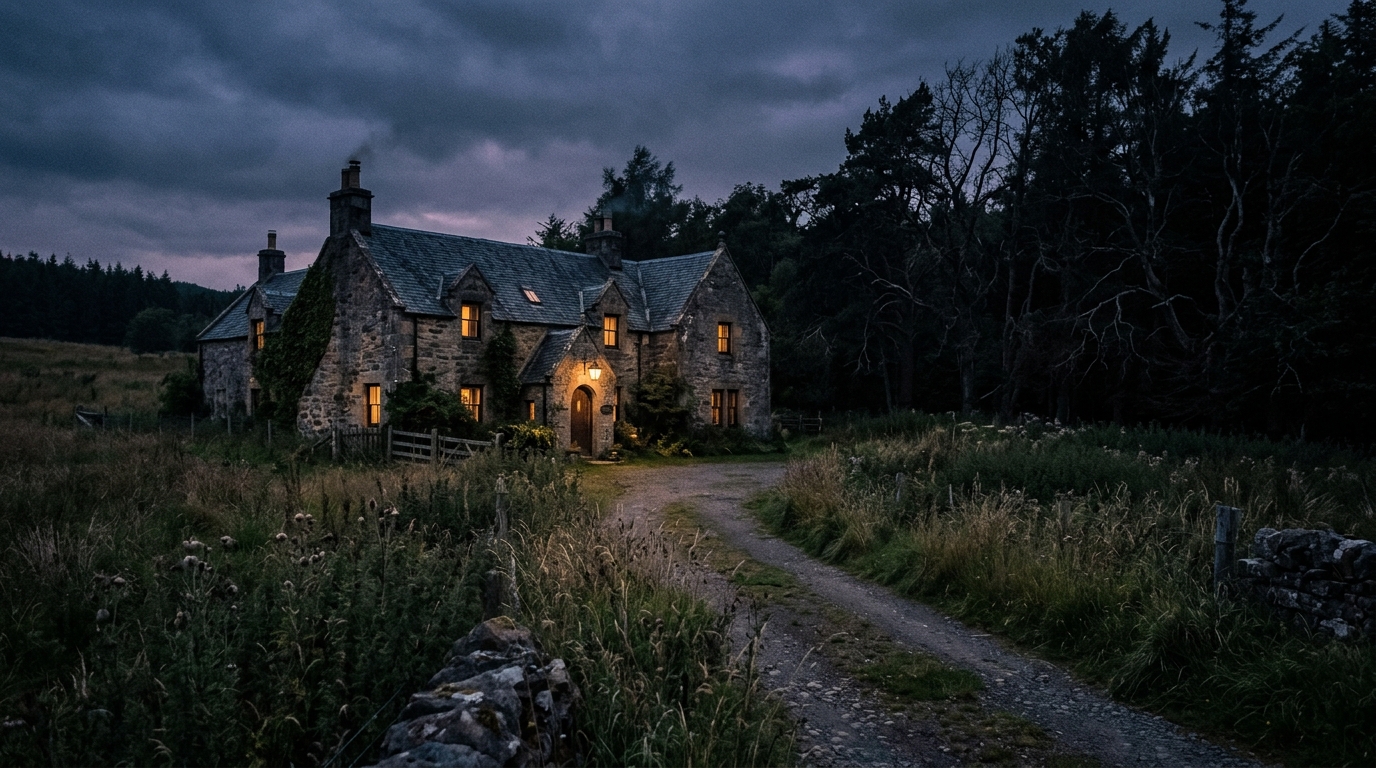
Anup Raval's Forsaken opens with a premise every burnt-out urbanite recognizes: the desperate need to escape. A weary tourist, seeking refuge from the relentless grind of city life, books a remote bed and breakfast tucked away in the countryside. The promise is simple—peace, quiet, solitude. What unfolds is anything but.
The beauty of Forsaken as a short film lies in its economy. Raval doesn't waste frames. The idyllic exterior of the B&B, the overly attentive hosts who hover just a beat too long, the creeping sense that hospitality has curdled into something predatory—these elements stack quickly. By the time strange occurrences begin, the audience is already primed for dread. This isn't a slow burn; it's a fuse that's been lit from frame one.
What separates Raval's approach from typical cabin-in-the-woods fare is the sci-fi inflection. This isn't just psychological horror or backwoods menace. There's a speculative edge here, a suggestion that the danger isn't entirely terrestrial or entirely explicable. That genre fusion—sci-fi horror—gives Forsaken a disorienting quality that lingers well after its brief runtime.
Anup Raval: Director, Actor, and Solo Visionary
Anup Raval doesn't just direct Forsaken; he stars in it. This dual role is critical to understanding the film's claustrophobic intensity. When a filmmaker steps in front of their own camera, especially in a one-person show, the result is often deeply personal, even when the material is genre-driven.
Raval's performance anchors the entire piece. There's no ensemble to share the load, no dialogue partner to volley against. The tourist's mounting paranoia, the physical exhaustion, the realization that escape routes are closing—all of this has to register on Raval's face and in his body language alone. It's a high-wire act, and the fact that he's simultaneously orchestrating every shot makes it even more impressive.
From a directorial standpoint, Raval leans into isolation. The framing in Forsaken often places the protagonist at the edge of the shot, dwarfed by the architecture of the B&B or the expanse of the countryside. It's a visual language that communicates vulnerability without a single line of exposition. The hosts—though not seen extensively in the available materials—are presented as extensions of the house itself, less human than architectural.
There's a touch of early Twilight Zone here, that sense of a normal situation tipped just slightly off its axis until reality itself feels suspect. But Raval also brings a modern indie sensibility, favoring suggestion over spectacle, using sound design and negative space to build tension rather than relying on jump scares or gore.
The Sci-Fi Horror Alchemy: Why Genre Fusion Matters
Sci-fi horror is a notoriously difficult hybrid to execute, especially in short form. The sci-fi element demands world-building; the horror element demands immediacy. Forsaken threads this needle by keeping its speculative aspects ambiguous. We don't get lengthy explanations of what's happening or why. Instead, Raval trusts the audience to sit with uncertainty.
This ambiguity is a feature, not a bug. In an era where franchise horror over-explains every monster's origin story, Forsaken withholds. Is the threat alien? Technological? Psychological? The film offers clues but refuses definitive answers, and that refusal is part of its power.
The setting—a remote countryside B&B—already carries folkloric weight. These are the spaces where fairy tales take dark turns, where travelers vanish. By layering a sci-fi menace onto this archetypal location, Raval creates a dual uncanny effect. The place feels wrong in two registers at once: the ancient wrongness of the haunted inn and the modern wrongness of something inhuman and incomprehensible.
For indie filmmakers working with limited budgets, this approach is instructive. You don't need sprawling CGI to sell a sci-fi concept. You need atmosphere, commitment to tone, and the discipline to leave some questions unanswered.
A Specific Moment: Watching Forsaken Alone at 2 AM
Picture this: it's 2 AM on a Tuesday. You're scrolling through indie film channels, unable to sleep, looking for something that doesn't feel algorithmically generated. You land on Forsaken. The runtime—short, manageable—feels doable. You dim the lights.
Five minutes in, you're leaning forward. The tourist has just arrived at the B&B. The hosts smile too widely. There's a shot—barely three seconds—where the camera lingers on a door at the end of a hallway. It's slightly ajar. You don't see what's inside, but the framing makes you certain something is watching.
By the ten-minute mark, you've forgotten you're tired. Raval's character is moving through the house, and the geography feels wrong. Rooms don't connect the way they should. The sound design—low-frequency hums, footsteps that don't quite sync with movement—has your skin prickling. This is the moment where Forsaken shifts from interesting to genuinely unsettling.
When the credits roll, you sit in silence for a beat. Then you immediately text a friend: "You need to watch this."
That's the power of a well-executed short. It doesn't overstay. It doesn't overexplain. It just gets under your skin and stays there.
Visual Craft: How Raval Builds Dread in Limited Time
Short films demand visual efficiency. Every shot has to carry weight. Anup Raval understands this implicitly. Forsaken is composed with a painter's eye—each frame feels considered, deliberate.
The countryside setting could easily read as pastoral, even comforting. Raval subverts this by shooting in ways that emphasize emptiness rather than beauty. Wide shots of fields become desolate rather than serene. The B&B itself, likely a real location scouted for its period details, is lit to highlight shadow over warmth. Natural light is used sparingly; interiors feel dim even in daylight.
There's also a smart use of POV. We spend much of the film locked into the protagonist's perspective, which means we're denied the privileged overview typical of horror. We don't see the threat before he does. We don't get cutaways to ominous foreshadowing in other rooms. This constraint—again, likely born of practical necessity—becomes an artistic strength.
Raval's influences aren't explicitly stated, but there are echoes of filmmakers who've mined similar territory. There's a bit of The Invitation's slow-creep paranoia, a dash of Resolution's meta-horror unease, and perhaps a trace of Under the Skin's alien-observer coldness. Yet Forsaken doesn't feel derivative. It feels like Raval digesting those influences and producing something distinctly his own.
Why Forsaken Matters for Indie Film in 2025
The indie film landscape is crowded. Festival circuits overflow with short films competing for attention. So why does Forsaken stand out?
First, it's uncompromising. Raval doesn't sand down the edges to make the film more palatable. If you want closure, look elsewhere. If you want a tidy explanation of what the hosts are or what the protagonist escapes (or doesn't), you won't get it. That refusal to kowtow to conventional narrative expectations is rare and valuable.
Second, it demonstrates what's possible with constraint. This isn't a film that needed a massive budget or a sprawling cast. It needed vision, craft, and the courage to trust the audience. For emerging filmmakers, Forsaken is a masterclass in doing more with less.
Third, it contributes to the ongoing conversation about what sci-fi horror can be. The genre has been dominated by either big-budget studio tentpoles or lo-fi found-footage exercises. Forsaken occupies a middle space: cinematic without being glossy, intimate without being amateurish. It proves there's room for nuance, for films that unsettle rather than shock, that suggest rather than explain.
Anup Raval is a name worth remembering. If Forsaken is indicative of his sensibilities—patient, atmospheric, willing to leave audiences unsettled—then whatever he makes next deserves immediate attention.
Where to Watch Forsaken and What to Expect
Currently, Forsaken is available via its official trailer and select indie film platforms. The official trailer offers a tantalizing glimpse of Raval's visual approach, though as with all great horror, it wisely withholds more than it reveals.
For viewers new to sci-fi horror shorts, Forsaken is an ideal entry point. It's accessible without being simplistic, atmospheric without being ponderous. The runtime means you can watch it in one sitting, but the ideas will stick with you far longer.
This is a film best experienced with headphones, in the dark, with your full attention. It's not background viewing. It's not a film to half-watch while scrolling your phone. Give it the focus it demands, and it will reward you with genuine unease.
The Verdict: Forsaken Delivers Tense, Intelligent Horror
Anup Raval's Forsaken is proof that indie sci-fi horror is alive and thriving in the hands of filmmakers who understand that atmosphere trumps budget every time. It's a film that respects its audience's intelligence, that trusts mood and implication over exposition.
If you're tired of paint-by-numbers genre exercises, if you want something that lingers and disturbs rather than shocks and forgets, Forsaken is essential viewing. Raval has crafted a miniature nightmare that punches well above its weight class.
Ready to dive into atmospheric sci-fi horror that doesn't hold your hand? Stream Forsaken now and experience what happens when a simple getaway turns into something far stranger and more terrifying. Anup Raval is a filmmaker to watch—this short is just the beginning.